Weather Patterns Reshaping Output Metrics in Home League Play
Written by Ulrich Peters · May 22, 2026
Weather Patterns Reshaping Output Metrics in Home League Play
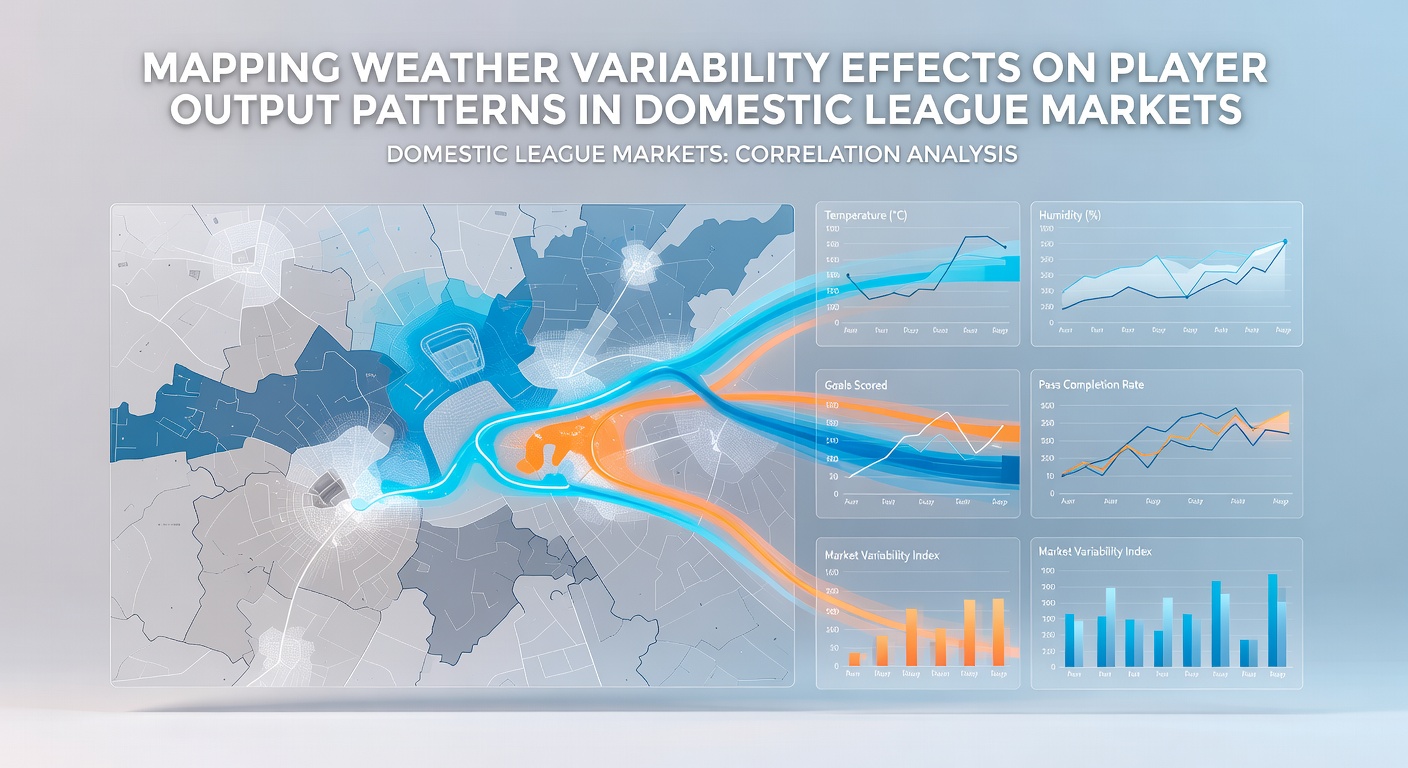
Domestic leagues around the world face ongoing shifts in player output as weather conditions change from match to match, and researchers continue to map these connections using detailed performance datasets. Temperature swings, rainfall amounts, humidity levels, and wind speeds each leave measurable marks on speed, passing accuracy, and stamina indicators that teams track throughout a season. Data from multiple competitions shows how these elements combine during key periods, including the early weeks of May 2026 when several European and North American leagues recorded notable variations in player workloads. Studies from meteorological agencies and sports science groups reveal consistent patterns across different climates. In warmer conditions above 25 degrees Celsius, sprint distances often drop by measurable percentages while recovery intervals between high-intensity efforts lengthen. Cooler temperatures below 10 degrees Celsius tend to support steadier output in endurance metrics, although muscle strain reports rise when rapid drops occur overnight. Observers note that these effects appear across both indoor-adjacent outdoor venues and fully exposed pitches, creating comparable adjustments in tactical choices league-wide.Temperature and Humidity Interactions
Researchers at institutions across North America and Australia have documented how combined heat and humidity alter heart rate responses during matches. Players maintain core temperatures more effectively in moderate humidity under 60 percent, yet output in total distance covered declines once levels climb higher. One analysis of Australian A-League fixtures from 2023 through 2025 found that matches played above 75 percent humidity produced average reductions in high-speed running of nearly eight percent compared with drier counterparts. Similar findings emerged from Major League Soccer datasets where teams in southern markets adjusted substitution patterns more frequently during humid stretches.
Coaches and analysts review these figures when planning training loads in advance of away fixtures. The reality is that domestic schedules rarely allow full acclimatization windows, so squads rely on pre-match briefings that incorporate current forecasts. Data indicates teams that factor humidity projections into line-up decisions record fewer late-match drop-offs in key physical metrics.
Rainfall, Pitch Conditions, and Passing Networks
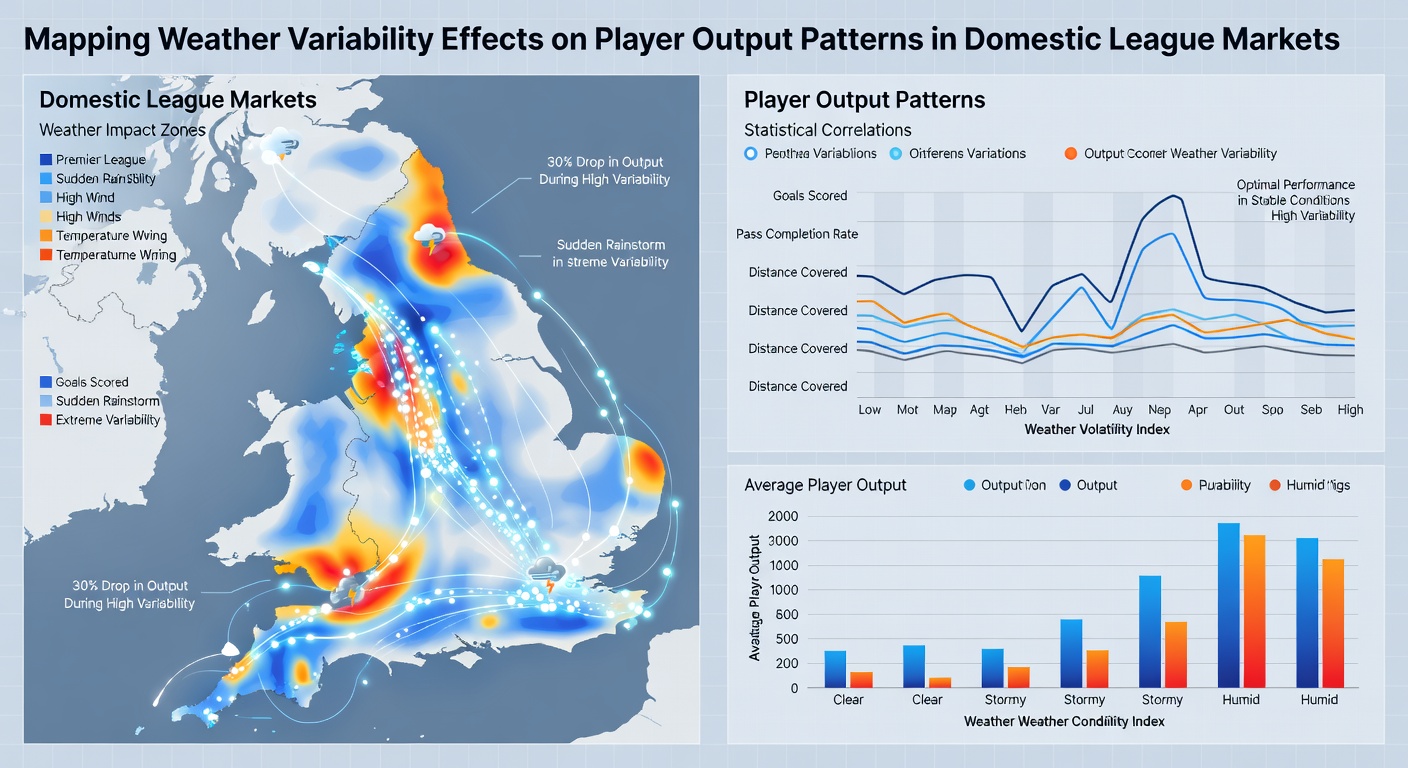
Precipitation changes ball behavior and footing in ways that directly influence passing and possession statistics. Light rain often produces higher turnover rates as surfaces become slick, while heavier downpours slow the ball enough that teams shift toward longer aerial routes. European studies compiled by regional weather services show that matches with more than five millimeters of rainfall during play see pass completion percentages fall between four and seven points on average. These shifts appear most pronounced in leagues that play through transitional spring months when showers remain unpredictable.
Groundskeepers apply specific maintenance protocols once forecasts indicate steady rain, yet the cumulative effect on player output remains visible in post-match tracking. Teams that adapt quickly by increasing direct play percentages maintain steadier possession numbers despite the altered conditions.
Wind Effects on Set Pieces and Long-Range Actions
Wind speed introduces another layer of variability that shows up in set-piece success rates and long passing accuracy. Gusts exceeding 25 kilometers per hour correlate with reduced accuracy on crosses and goal kicks, prompting teams to favor shorter build-up sequences. Canadian and Scandinavian league reports highlight how coastal and open-stadium venues experience these influences more regularly, leading analysts to incorporate wind vectors into pre-match models. Players who adjust body positioning earlier in windy conditions preserve better control over trajectory on longer passes.
League operators have begun sharing aggregated environmental data with clubs to support these preparations. The approach helps reduce the gap between expected and actual output when conditions deviate from seasonal norms.
Seasonal Patterns Emerging in 2026
Early data from May 2026 competitions continues to align with longer-term observations. Several domestic leagues recorded clusters of matches where rapid temperature changes between afternoon and evening fixtures produced noticeable dips in second-half distance metrics. Analysts cross-reference these results with historical baselines to refine predictive tools that clubs now integrate into scouting and recovery planning.
What's notable is how these environmental variables interact with fixture congestion. Teams facing multiple games within short windows show amplified sensitivity to weather shifts, as fatigue compounds the physical demands already elevated by heat or moisture. Research groups continue to expand datasets that combine player tracking technology with localized weather station readings.
Conclusion
Mapping weather variability against player output patterns provides domestic leagues with clearer frameworks for preparation and in-game adjustments. Temperature, humidity, rainfall, and wind each contribute distinct yet interconnected influences that appear consistently across different competitions and regions. Continued collection of granular data supports more precise modeling that helps squads anticipate and respond to these factors throughout extended seasons.