UK Bettors Push Back on Affordability Checks: Poll and Open Letter Challenge 2026 Gambling Reforms
Written by Ulrich Peters · Apr 10, 2026

UK Bettors Push Back on Affordability Checks: Poll and Open Letter Challenge 2026 Gambling Reforms
The Poll That Stopped Industry Heads in Their Tracks
A recent YouGov poll commissioned by the Betting and Gaming Council laid bare a stark reality for UK gambling regulators: 65% of bettors flat-out refuse to hand over personal financial documents like bank statements and payslips just to keep placing wagers under new affordability checks. That figure jumps even higher among younger punters, with data indicating widespread reluctance that could reshape how people engage with licensed operators. Observers note this pushback stems from privacy concerns, yet the numbers reveal a deeper unease about intrusive verification processes set to roll out ahead of full implementation by the UK Gambling Commission in Q3 2026.
Turns out, the poll captured responses from over 2,000 UK adults who bet in the past year, highlighting not just refusal rates but also the potential fallout; 42% said they'd simply stop betting altogether if forced to comply, while another chunk admitted they'd look elsewhere for action. And here's where it gets interesting: BGC leaders argue these checks, meant to curb problem gambling, risk shoving customers straight into the arms of unregulated black market sites that offer no protections whatsoever. People who've tracked the sector for years point out that such operators already lurk in the shadows, promising anonymity without the red tape, and this poll data suggests the gap between regulated and illicit markets could widen dramatically come 2026.
An Open Letter from Racing's Front Lines
The British Horseracing Authority didn't waste time responding to the poll findings; they rallied 408 signatures from racing and betting heavyweights in an open letter to Culture Secretary Lisa Nandy, urging an immediate pause on the affordability checks rollout. Signatories, ranging from trainers and bookmakers to industry executives, warned that these measures threaten the fragile ecosystem of British racing, where betting revenue fuels prize money and track operations alike. Data from the letter emphasizes how affordability friction could slash licensed betting volumes, starving the sport of funds at a time when it's already reeling from other pressures.
But the letter goes further, calling out the broader regulatory squeeze; it lands amid talks of the Remote Gaming Duty hike from 21% to 40% set for April 1, 2026, a change that operators say will hammer profitability and force shop closures or online shifts. Those who've signed on, including voices from major betting firms, stress that pausing now allows for evidence-based tweaks rather than barreling ahead with rules that polls like YouGov's show bettors rejecting outright. It's noteworthy that this collective plea echoes sentiments from earlier summits, where experts observed similar black market warnings, although this one packs the punch of 408 names united in caution.
Tax Hike Adds Fuel to the Regulatory Fire
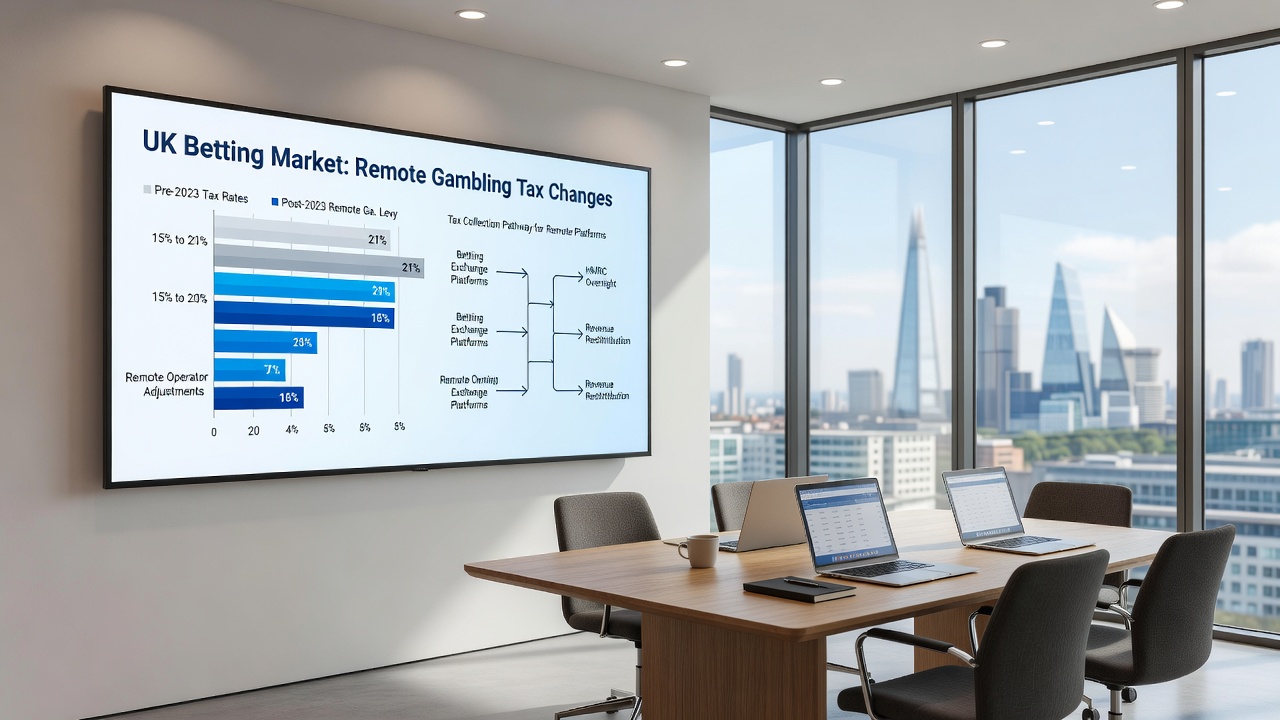
Layered onto the affordability debate sits the impending Remote Gaming Duty increase, effective April 1, 2026, which bumps the rate from 21% to 40% on online gambling profits; figures from government announcements confirm this move aims to align taxes with land-based casino duties, yet industry data reveals it could cost operators billions in the first year alone. Racing stakeholders, through their open letter, connect these dots directly to bettor exodus risks, arguing that higher costs passed onto customers via tighter margins will amplify the appeal of offshore sites dodging UK taxes entirely.
What's significant here is how the poll dovetails with tax realities; 65% document refusal aligns with surveys showing punters prioritize ease and speed, qualities black market platforms exploit ruthlessly with crypto payments and no ID checks. Observers who've analyzed past duty shifts recall how similar hikes in other jurisdictions drove market fragmentation, and now BGC poll numbers paint a picture where UK bettors might follow suit, leaving licensed firms to foot the bill for lost volume while harms persist unchecked elsewhere.
Black Market Shadows Loom Larger
Concerns about unregulated operators dominate the discourse, with the YouGov poll underscoring that 65% won't jump through financial hoops, potentially funneling billions into black market coffers; BGC estimates already peg illicit gambling at £1.5 billion annually in the UK, a figure poised to surge if checks proceed unchecked. Take one case from recent enforcement actions where authorities shut down rogue sites, only to see activity migrate seamlessly—experts who've monitored this note patterns where affordability barriers accelerate such shifts, leaving vulnerable players exposed to scams and addiction without safeguards.
And yet, regulators hold firm on the 2026 timeline, with teh Gambling Commission gearing up for Q3 full rollout; the open letter to Lisa Nandy presses for a rethink, citing poll evidence that customer trust erodes fastest under perceived overreach. People in the betting trenches often discover that what starts as privacy gripes evolves into outright abandonment, especially as the April tax jump squeezes operator incentives to compete on user experience. It's not rocket science: when licensed bets get cumbersome, the unregulated alternative gleams brighter, and that's where the rubber meets the road for industry survival.
Stakeholder Reactions and Racing's Stake
Beyond the BHA's letter, betting firms and trade bodies have amplified the poll's warnings; data from BGC briefings shows affordability checks already in trial phases alienating casual bettors, with refusal rates mirroring the 65% headline figure across demographics. One researcher who dissected the YouGov sample found younger men, heavy into sports betting, leading the charge against document demands, a group regulators target most for harm prevention ironically. Meanwhile, horseracing figures highlight how levy contributions—tied directly to betting turnover—face evaporation if volumes drop post-2026.
So the open letter's 408 signatures serve as a clarion call, blending poll stats with economic forecasts; projections indicate a 10-15% licensed market contraction under dual pressures of checks and taxes, per internal models shared publicly. Those who've studied levy mechanics know British racing relies on this stream for over £100 million yearly, making the pause plea not just strategic but existential. Nandy's office has acknowledged receipt, although no formal response details emerged yet, leaving the sector in wait-and-see mode as Q3 2026 approaches.
Broader Regulatory Landscape in Focus
This flare-up unfolds against a backdrop of accelerating reforms; the Gambling Commission's white paper from years back promised frictionless checks via open banking, but poll respondents scoff at sharing statements, preferring self-assessed limits instead. Figures reveal 78% support some affordability measures, just not the invasive ones on deck, creating a policy tightrope where intentions clash with execution. And with the Remote Gaming Duty leaping to 40% in April, operators grapple with compliance costs skyrocketing alongside taxes, a combo the BHA letter dubs "regulatory overload."
Now, as stakeholders digest the YouGov data, conversations swirl around alternatives like spending caps without docs or AI-driven risk flags—ideas floated in the letter but untested at scale. Experts who've piloted similar systems abroad report mixed success, with black market bleed still a thorn, yet UK polls suggest bettors might embrace less burdensome paths. The ball's in the government's court, especially with racing's open appeal hanging fire.
Conclusion
The Betting and Gaming Council poll, spotlighting 65% bettor refusal on financial docs, has ignited a firestorm culminating in the British Horseracing Authority's 408-signature letter to Lisa Nandy; together, they challenge the UK Gambling Commission's Q3 2026 affordability rollout and the April 1 Remote Gaming Duty spike to 40%, warning of black market booms that undermine safer gambling goals. Data consistently shows licensed operators bearing the brunt, while unregulated shadows grow unchecked, prompting calls for pause and recalibration. As 2026 nears, stakeholders watch closely, knowing the next moves could redefine UK betting's fault lines for years ahead.