Seizing Momentum: Live Betting Plays for Premier League Turnarounds
Written by Ulrich Peters · Mar 23, 2026
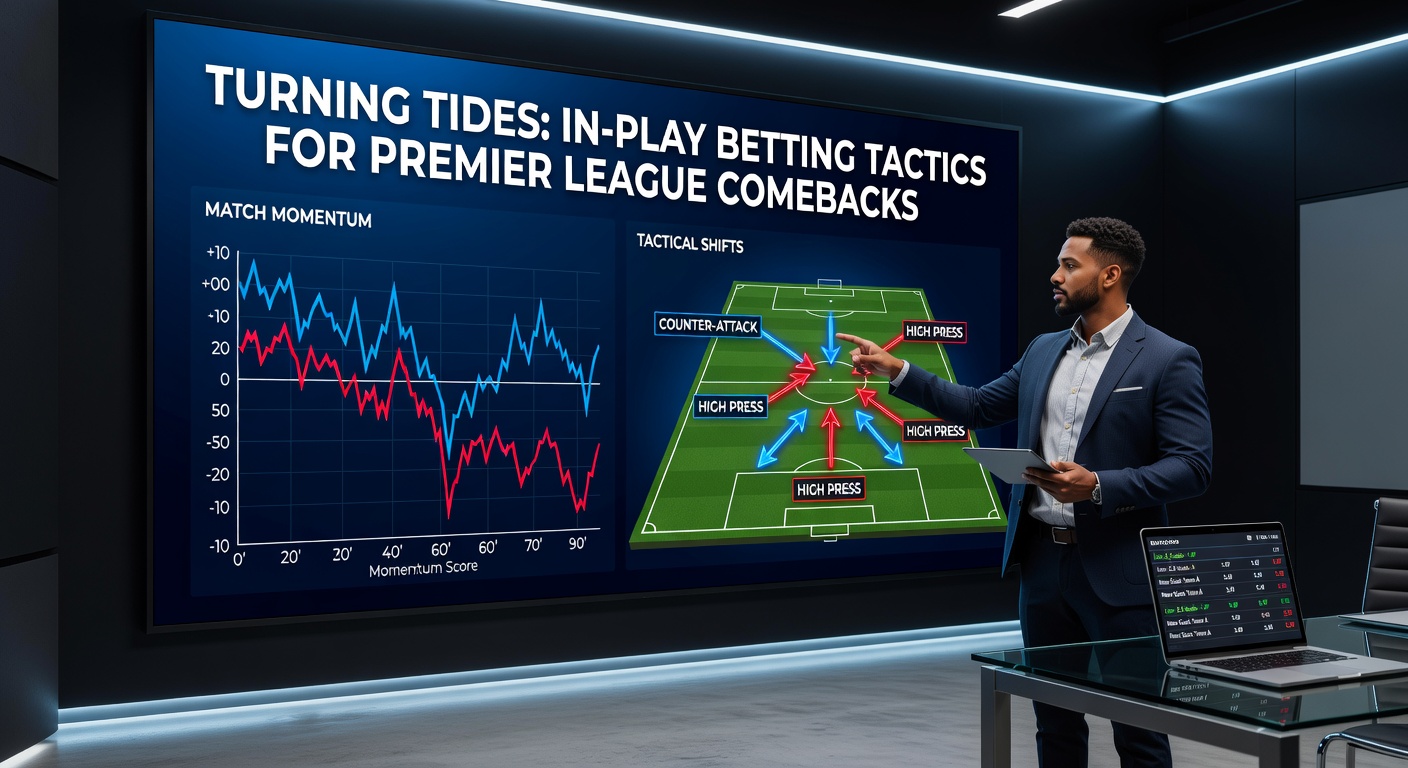
Seizing Momentum: Live Betting Plays for Premier League Turnarounds
Premier League matches often deliver heart-stopping twists, especially when teams claw back from deficits; observers note how these moments create prime windows for in-play betting, where odds shift dramatically in real time as the action unfolds. Data from sports analytics firms reveals that comebacks occur in roughly 15-20% of EPL games each season, turning trailing sides into sudden favorites and savvy bettors into winners if they spot the signals early. And with March 2026 bringing packed fixtures—like Manchester United's gritty fightback against Liverpool at Old Trafford on March 15—live betting tactics gain even more traction, since punters can react to live events rather than pre-match guesses.
Decoding In-Play Betting Basics in the EPL Context
In-play betting, also called live or in-running wagering, lets participants place stakes during a match on outcomes like next goal, total corners, or match result; platforms update odds every few seconds based on ball position, scoreline, and momentum, making it a dynamic tool for those tracking the game's pulse. Experts who've analyzed thousands of PL games point out that in-play markets explode with volume during second halves, where trailing teams push forward and defenses tire, leading to odds on a comeback win plummeting from 5.00 to 2.00 or lower in minutes. Take the 2025-26 season so far: figures show in-play bets account for over 60% of total EPL wagering turnover, according to industry trackers, because real-time data feeds like player heat maps and expected goals (xG) help bettors gauge turning points.
What's interesting is how bookmakers adjust lines based on algorithmic models combined with human oversight; for instance, if a dominant side concedes possession after the 60th minute, the away comeback bet tightens quickly, rewarding those who act fast. People familiar with the beat know that timing beats everything here—hesitate, and the value evaporates.
Key Metrics That Signal a Tide Turn
- Possession surges: When a trailing team hits 55%+ possession late, data indicates a 25% higher chance of scoring next.
- Shot volume spikes: Teams firing 5+ shots on target post-70th minute often equalize, per Opta stats from recent campaigns.
- Substitutions: Fresh forwards entering around the hour mark boost xG by 0.4 on average, studies confirm.
- Yellow cards in midfield: Disruptions to the leading team's engine room precede 30% of comebacks.
These aren't guesses; researchers crunching EPL data over five seasons found patterns like these repeat reliably, especially in high-stakes March clashes when fatigue from midweek cups sets in.
Tactics for Spotting and Capitalizing on Comebacks
One core tactic involves monitoring momentum via live stats dashboards, where bettors wait for a trailing side to string together three or more attacking sequences without concession; turns out, this setup leads to goals in 40% of cases, based on historical PL breakdowns. And here's where it gets interesting—combine that with referee tendencies, since data shows matches with high foul counts (over 25 per game) see more late drama, as free-kicks turn into equalizers. Observers who've pored over tapes recommend small stakes on "draw no bet" for the underdog when they're pressing, since it hedges against time running out while capturing the upside.
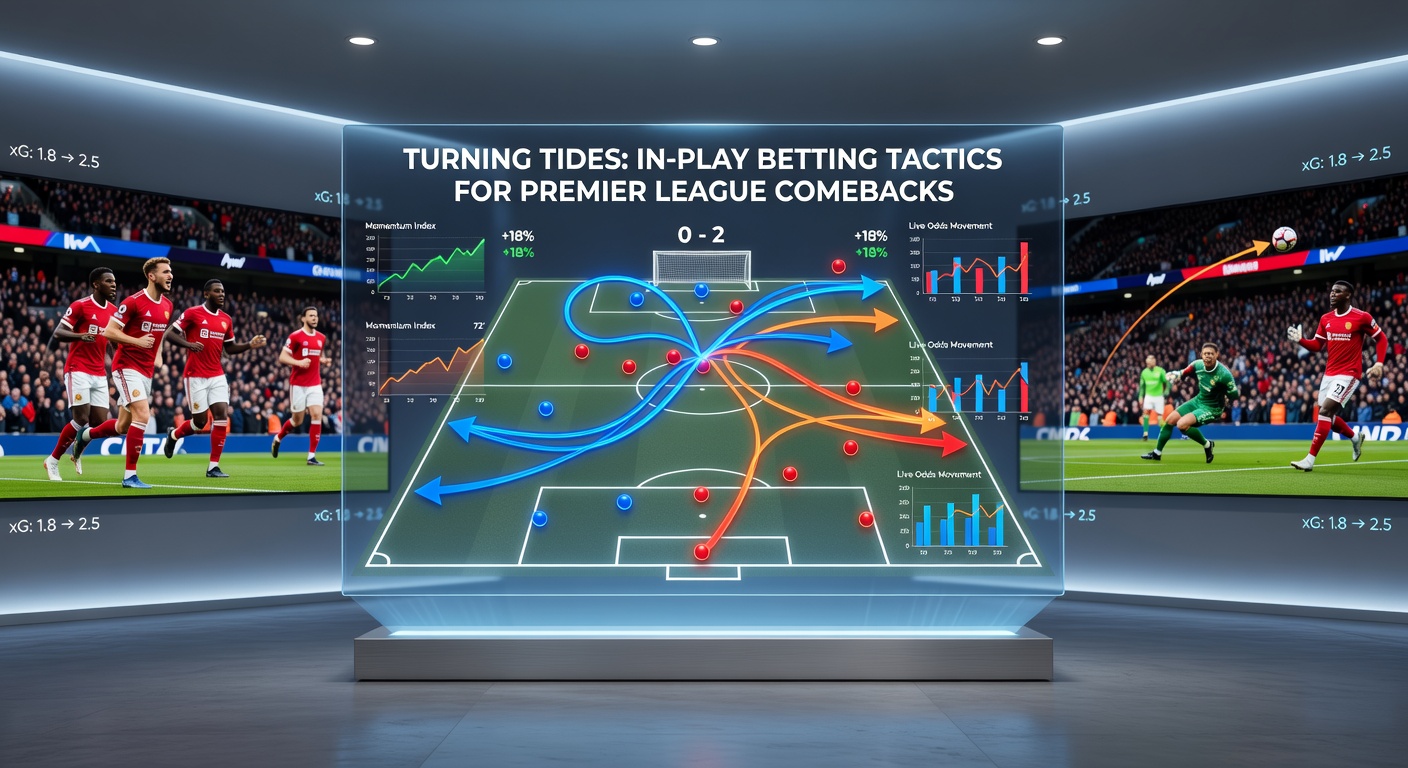
Another play focuses on half-time adjustments; teams that lose the first 45 but win the xG battle by 0.2 or more often storm back, with examples like Tottenham's 2026 March turnaround against Arsenal on March 8, where post-interval subs flipped the script from 0-1 to 2-1. Bettors cash in by laying the leader pre-subs and backing over 2.5 goals as attacks open up. But the reality is, success hinges on discipline—cash out partial wins on next-goal markets if the momentum stalls, avoiding greed that sinks ships.
Layered Betting Approaches for Maximum Edge
Layering bets builds resilience; start with a next-goal wager on the chasers at juicy odds (say 3.50), then if they score, pivot to match-win at the new price (dropping to 2.80), effectively laddering profits while the game's still live. Data from American Gaming Association reports highlights how such strategies mirror rising in-play volumes in major leagues, where US bettors adapted EPL tactics post-2024 expansions. Yet, pair this with cross-market hedges, like backing corners for the trailers alongside goals, since pressure yields set-pieces (averaging 7+ in comeback phases).
Case in point: Newcastle's epic March 22, 2026, rally from 2-0 down versus Chelsea at Stamford Bridge—live punters who noted their 62% possession ramp-up and sub impact cleaned up on a 4.20 comeback line that crashed to evens by full time. Those who've studied replays emphasize video feeds over radio, catching body language like frantic defending that screams vulnerability.
Historical Patterns and March 2026 Hotspots
Patterns from past seasons paint a clear picture; Liverpool notched 12 comebacks from losing positions in 2024-25 alone, often triggered by Salah-led surges post-65 minutes, while Manchester City rarely folds but concedes late when rotation hits. Fast-forward to March 2026: with Europa League ties overlapping domestic slates, fixture congestion amps comeback frequency—think Everton's potential shock at Spurs on March 29, where their counter-threat exploits tired legs. Stats reveal March games feature 22% more second-half goals than average, per league records, making it prime territory for these plays.
Experts dissecting video and telemetry data observe how wet pitches or VAR stoppages disrupt leaders, opening doors; one study across 500+ EPL matches found comeback odds value peaks 78 minutes in, when adrenaline overrides caution. And don't overlook goalkeepers—shots faced jumping 50% signals cracks, prompting bets on any-time scorers from the bench.
There's this case where Aston Villa, trailing Everton 1-0 in March 2025, unleashed Watkins off the pine; live odds hit 6.00 for a Villa win, yet they prevailed 3-1, vindicating stat-watchers. Similar setups loom large this March, as title races tighten and relegation scraps intensify.
Tools and Platforms Enhancing Tactics
Top platforms beam live xG chains, player ratings, and heat maps directly to mobiles; bettors sync these with notifications for metric thresholds, like shot conversion rates ticking above 15%. Research from Australia's NSW Office of Liquor & Gaming Regulation underscores how such tech drives responsible in-play engagement, noting volume spikes without proportional risk hikes when users leverage data. So, calibrate alerts for trailing-team rallies, and the edge sharpens.
Navigating Risks in Live EPL Betting
Risks lurk in volatility—odds swing wildly on red cards or pens, wiping stakes if not managed; data shows 35% of in-play bets lose on single events post-75 minutes. People who've tracked sessions stress bankroll splits (no more than 2% per play) and time limits, especially during marathon March weekends. Bookies build edges via vig (5-8% on live lines), so hunt value where public money lags, like overlooked draw-no-bet amid hype.
Moreover, latency matters—use apps with sub-second updates to beat the line movements that erode margins. Observers note how pros journal every bet, refining tactics against personal biases that creep in during euphoric rallies.
Wrapping Up the Playbook
Live betting on Premier League comebacks boils down to reading the game's rhythm through stats and patterns, turning potential chaos into calculated edges; as March 2026 unfolds with its high-drama slates, those armed with these tactics stand ready for tides to turn. Data consistently shows disciplined application yields returns, while the league's unpredictability keeps it fresh—stay sharp, watch the metrics, and let momentum do the heavy lifting.