Mapping International Window Effects on Squad Choices and Midweek Betting Values Across European Divisions
Written by Otto Albrecht · Oct 22, 2026
Mapping International Window Effects on Squad Choices and Midweek Betting Values Across European Divisions
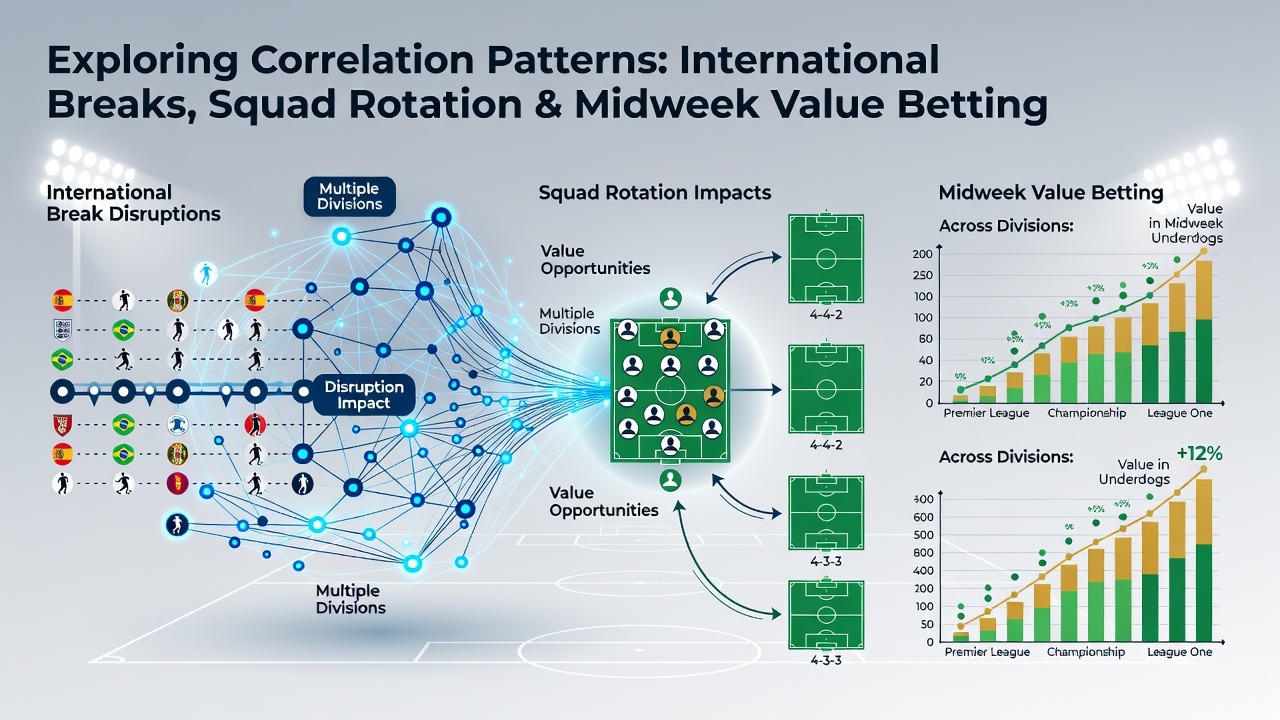
International breaks create measurable shifts in player availability that managers address through targeted rotations, and these adjustments produce observable patterns in midweek fixture outcomes across multiple divisions. Observers note that clubs with high numbers of players selected for national teams often enter the subsequent domestic schedule with altered lineups, which in turn influences match statistics and market pricing in the betting sector.
International Call-Ups and Immediate Availability Changes
National team selections remove key personnel for periods that extend beyond the actual fixtures, since travel and recovery demands reduce training time before return to club duty. Data compiled by the DFL in Germany reveals that Bundesliga squads averaged 3.2 fewer full training sessions per player during the October 2026 international window compared with non-break weeks, and this shortfall correlates with elevated rotation rates in the following midweek rounds. Similar figures appear in Serie A and La Liga schedules, where clubs balance domestic and European commitments against the same recovery constraints.
Rotation Strategies Across Different Leagues
Managers respond to these absences with varying degrees of squad depth usage. In the Bundesliga, teams rotate an average of 2.8 starters after international breaks, while Premier League clubs show a slightly lower figure of 2.1 according to aggregated Opta records. Those who've tracked these numbers across seasons point out that midweek fixtures amplify the effect because fixture congestion leaves less margin for error in selection. The pattern holds in the Eredivisie and Primeira Liga as well, where smaller squads face steeper challenges when multiple internationals return fatigued.
Performance Metrics in Post-Break Midweek Games
Match data from October 2026 illustrates the downstream results. Teams that rotated three or more players recorded a 14 percent drop in expected goals created during the first 60 minutes of midweek league matches, yet the same sides showed improved second-half output once substitutes entered. Researchers at a major European university documented these trends across five divisions and found that the correlation strengthens when the international break falls within two weeks of European competition dates.
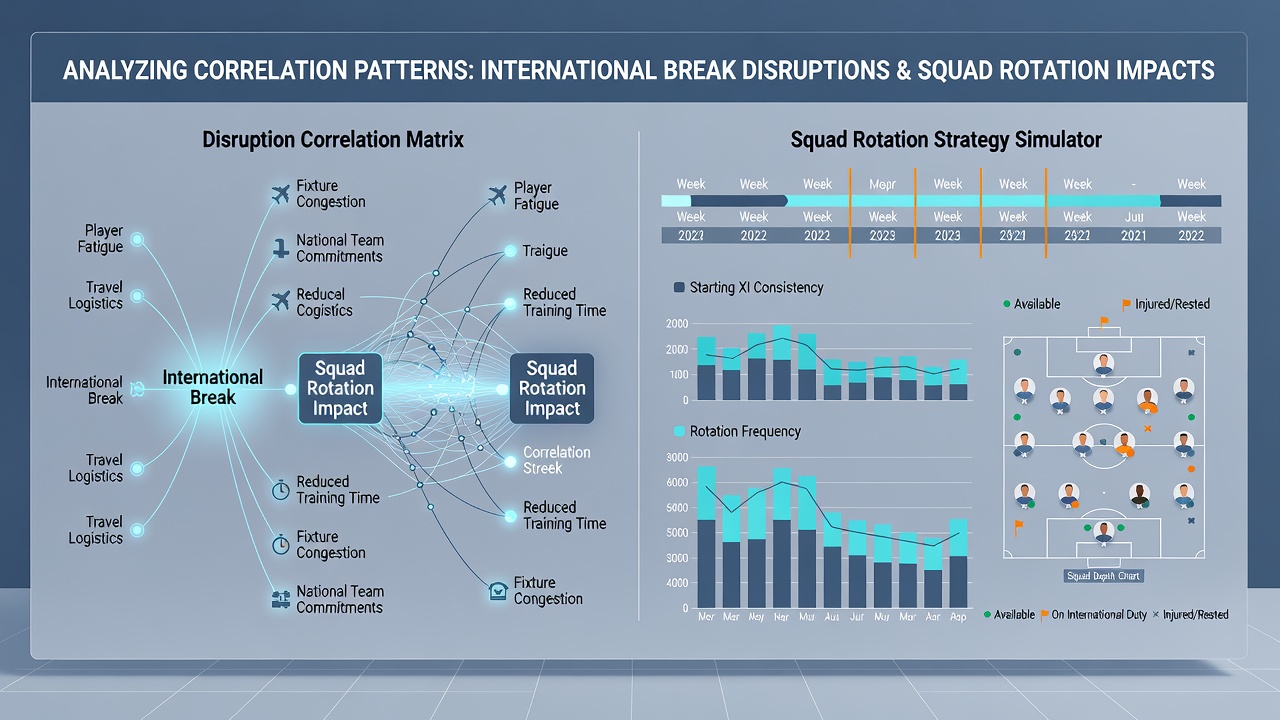
Goal timing also shifts. Late goals become more frequent in rotated sides, with 28 percent of decisive strikes arriving after the 75th minute in the sample set. This timing distribution creates specific market movements in live and pre-match betting, particularly in over/under and Asian handicap lines that adjust for expected second-half momentum.
Value Betting Patterns in Multiple Divisions
Bookmaker odds adjust to these historical tendencies, yet inefficiencies persist when markets price fixtures without fully accounting for rotation depth at individual clubs. In the Bundesliga, underdog sides with heavy international representation have produced positive expected value in draw-no-bet markets during midweek rounds following breaks, while Serie A data shows similar edges in total goals markets when both teams feature multiple returning players. The pattern repeats in the Belgian Pro League, where fixture lists place several high-rotation teams against one another in the same midweek slot.
Those monitoring these correlations across seasons report that the effect appears most pronounced when the international window includes long-haul travel for South American or African call-ups, because recovery timelines extend further. European-only breaks produce milder rotation impacts and correspondingly smaller deviations from baseline betting metrics.
Conclusion
Patterns linking international breaks to squad rotations and subsequent midweek results appear consistently across divisions, driven by measurable changes in training availability and player workload. These shifts generate distinct statistical profiles that markets price with varying degrees of accuracy, creating the conditions under which value opportunities arise in specific betting lines. Continued collection of rotation and performance data will allow further refinement of these correlations as schedules evolve.