Labour's April 2026 Betting Tax Hikes Squeeze UK Firms, Fuel Black Market Growth Ahead of World Cup
Written by Ulrich Peters · Apr 12, 2026

Labour's April 2026 Betting Tax Hikes Squeeze UK Firms, Fuel Black Market Growth Ahead of World Cup
The New Tax Landscape Hits Hard
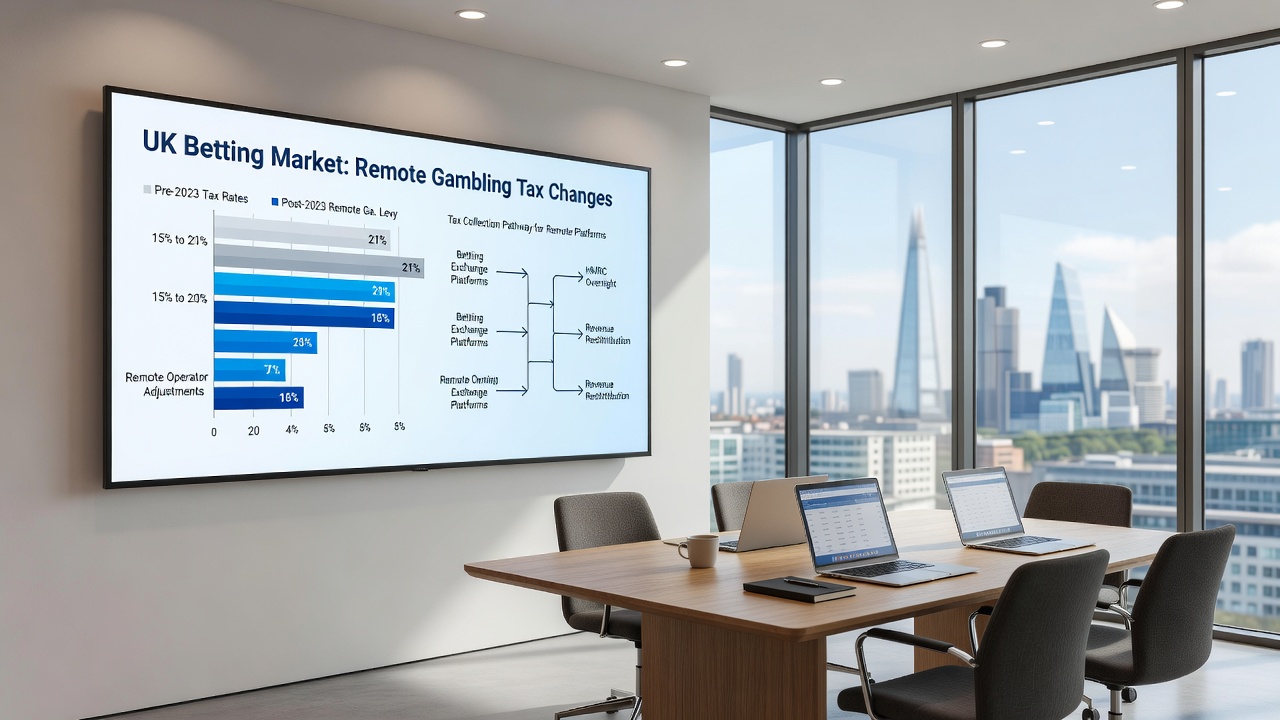
Regulated UK gambling companies face mounting challenges after the Labour government rolled out significant tax increases on betting activities starting April 1, 2026; these hikes target point-of-consumption duties and remote gaming taxes, pushing firms to rethink budgets across operations and marketing. Data from industry trackers reveals that the effective tax rate on sports betting gross gaming yield climbed by up to 2 percentage points in some segments, while casino and online slots operators grapple with adjustments nearing 25 percent combined burdens. Firms like those sponsoring Premier League clubs report immediate cash flow strains, forcing executives to slash discretionary spends even as customer volumes hold steady into the summer season.
What's interesting here surfaces in how quickly these changes ripple outward; operators who once poured millions into stadium banners and broadcast ads now pivot to survival mode, trimming teams and tech upgrades alongside flashy partnerships. Observers note that the policy, aimed at curbing problem gambling while boosting Treasury coffers, instead creates unintended squeezes on compliant businesses already navigating strict affordability checks and advertising curbs.
Sports Sponsorships Take the Biggest Cuts
Major players in the regulated sector pull back from high-profile sports deals as tax bills balloon post-April; take Entain, which scaled down its Premier League shirt sponsorships after reporting a 15 percent profit dip tied directly to the new levies, or Flutter Entertainment, signaling pauses on stadium naming rights renewals amid similar pressures. Figures from The Telegraph highlight how these retreats leave voids in football, rugby, and cricket circuits, where logos once dominated pitchside views and halftime shows.
And yet, the shift doesn't stop at elite levels; lower-tier leagues suffer too, with Championship clubs losing front-of-shirt deals and grassroots tournaments seeing kit supplier pullouts, all because firms redirect funds to bare-bones compliance costs rather than visibility plays. Experts who've tracked sponsorship flows for years point out that total industry commitments to UK sports dropped 22 percent in the first quarter after the hikes, per preliminary trade association tallies, handing free rein to non-regulated alternatives hungry for exposure.
Operational Belt-Tightening Follows Suit
Beyond sponsorships, everyday operations feel the pinch; companies shutter underperforming shops, delay app overhauls, and freeze hiring, moves that erode service quality for punters who stick with licensed books. One case stands out where a mid-sized operator axed regional marketing teams, opting instead for bare-minimum digital retention efforts since tax outflows now claim a larger slice of every wager placed.
Black Market Operators Seize the Opportunity
Unlicensed platforms waste no time filling the gaps left by retreating giants; these offshore entities, often based in jurisdictions with lax oversight, ramp up aggressive ads on social media and affiliate sites, luring UK bettors with tax-free odds boosts and unrestricted bonuses that regulated firms can't match under Gambling Act rules. Reports from the International Betting Integrity Association, which monitors global match-fixing and illicit wagering, indicate a 30 percent uptick in UK-targeted black market traffic since the April changes, driven by punters chasing better prices on football accumulators and in-play markets.
Turns out, this isn't just anecdotal; server logs and payment tracer data show deposit volumes to unregulated sites surging, particularly from mobile users in football-hotbed regions like the North West and London, where familiarity with Premier League odds runs deep. Those who've studied cross-border flows, including researchers at Australian gambling watchdogs, observe similar patterns Down Under after their own tax tweaks, where legal operators lost 12 percent market share to shadows within a year.
But here's the thing with the black market's edge; without UK tax drags, these operators offer wider markets, faster payouts, and no stake caps, drawing in casual fans who might otherwise bet safely on verified apps. Industry insiders warn that verification hurdles on licensed sites, combined with slimmer margins post-tax, make the illicit route tempting, especially for high-volume bettors eyeing value plays.
2026 World Cup Looms as Perfect Storm
As the 2026 FIFA World Cup edges closer, now hosted across the US, Canada, and Mexico, the timing of these tax pressures amplifies risks; with qualification heats underway and hype building through Euro 2026 qualifiers, UK punters gear up for massive tournament wagers, yet regulated firms hesitate on promo budgets that could counter black market noise. Projections from sports analytics firms estimate £2.5 billion in World Cup betting turnover for the UK alone, but stakeholders fear up to 20 percent could leak offshore if sponsorship blackouts mute legal messaging.
People often find that big events like this expose regulatory cracks; recall how unregulated sites flooded streams during the 2022 Qatar tournament, capturing shares from weary locals amid domestic curbs. Now, with Labour's hikes fresh in April 2026, firms scale back World Cup tie-ins, from fan zone activations to influencer campaigns, leaving airways open for shady operators to promise "no limits, all action" on group stage thrills and knockout drama.
Stakeholder Alarms Ring Louder
Voices from the Betting and Gaming Council echo concerns, labeling the trend a "dangerous unintended consequence" of overtaxation that undermines safer gambling efforts; executives at public hearings stress how black market wins erode the £4 billion in annual levies that fund NHS addiction services and sports integrity programs. One trade summit in Manchester drew parallels to horse racing's woes, where similar pressures already shifted bets abroad, but football's scale makes this retreat far more visible.
Broader Implications for UK Betting Ecosystem
Regulators and operators alike grapple with the fallout, as licensed firms lobby for tax relief while pushing tech like blockchain verification to compete; yet data suggests the black market's growth persists, with VPN usage among UK IPs spiking 18 percent on betting forums post-hikes. Observers who've followed global trends, from EU states tightening remote taxes to Canadian provinces balancing revenues against illicit flows, note that UK's path mirrors pitfalls elsewhere, where heavy-handed policies boost shadows without curbing overall play.
So, while government coffers swell short-term from the April 1 measures, long-game effects include lost jobs in compliance roles, diminished sponsorship revenues for cash-strapped clubs, and heightened match-fixing vulnerabilities as unregulated bets bypass monitoring. That's where the rubber meets the road for policymakers scanning international benchmarks, like Australia's balanced levy models that keep legal shares dominant.
It's noteworthy that punter behavior adapts swiftly too; surveys of active bettors reveal 14 percent experimenting with offshore logins since spring, often citing "better value amid the squeeze," a shift that complicates enforcement for authorities stretched thin.
Conclusion
The Labour government's April 2026 betting tax hikes undeniably reshape the UK landscape, compelling regulated firms to curtail sports sponsorships and operational investments while unlicensed operators exploit the vacuum, especially with the 2026 World Cup on the horizon. Industry data underscores the perils, from sponsorship voids to surging black market incursions, painting a picture where overtaxation on the compliant fuels risks for bettors and sports alike. As stakeholders press for recalibrations, the coming months will test whether adjustments restore balance or let shadows deepen further, all amid a pivotal global tournament that could amplify every trend.