Fortress Fallacy Exposed: Why Home Turf Edges Shrink and Savvy Bets Flip the Script
Written by Greta Friedrich · Apr 17, 2026
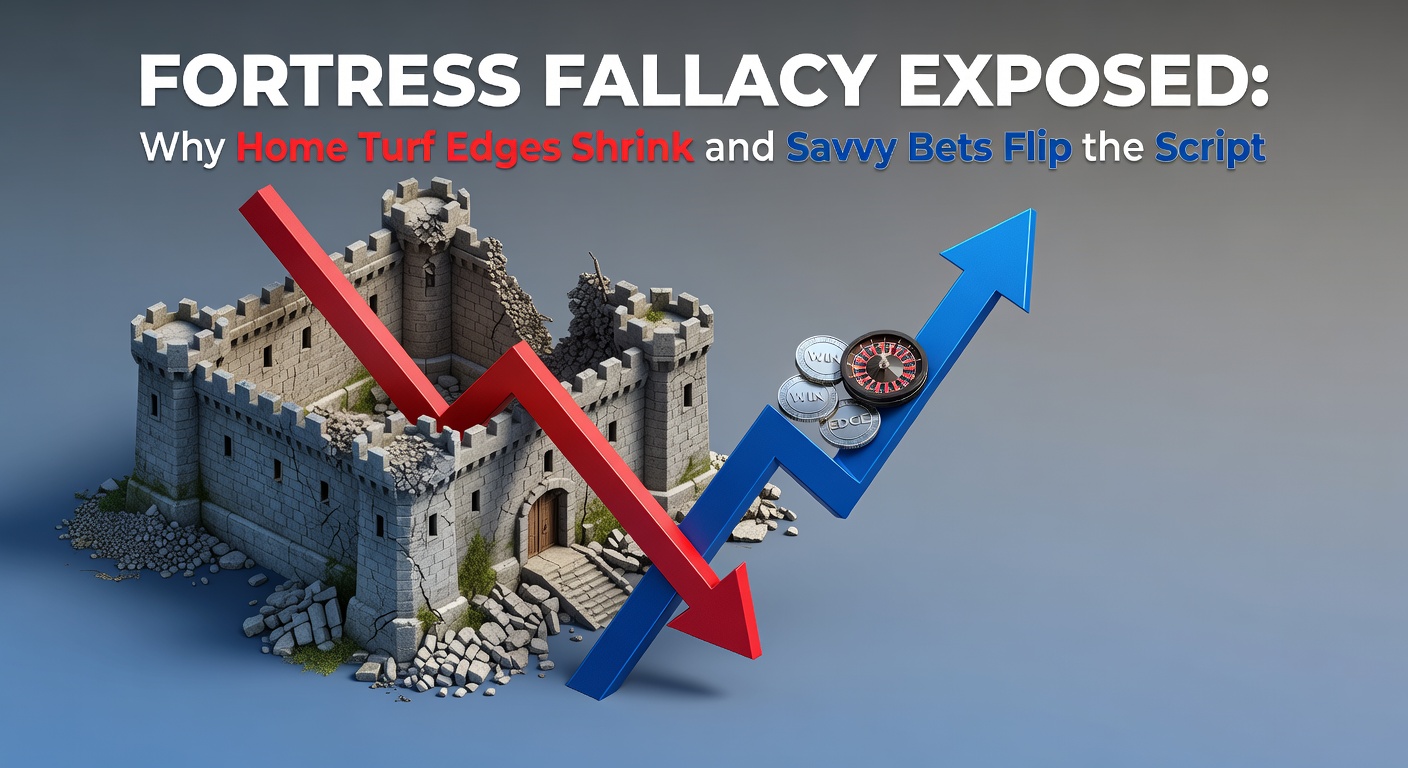
Fortress Fallacy Exposed: Why Home Turf Edges Shrink and Savvy Bets Flip the Script
The Myth of the Unbeatable Home Fortress
Observers have long noted how fans pack stadiums chanting for their side, creating an atmosphere that supposedly crushes visiting teams; yet data reveals this home turf edge has dwindled dramatically over the past decade, turning what punters once banked on into a risky assumption. Research from Opta Sports shows home win rates in the Premier League dropping from around 46% in the early 2010s to just 42% by the 2024-25 season, while away victories climbed correspondingly. And that's not an isolated trend; similar patterns emerge across Europe's top leagues, where the so-called fortress fallacy misleads bettors chasing inflated home odds.
What's interesting is how this shift started accelerating post-2020, when empty stadiums during pandemic lockdowns exposed the crowd's limited impact; teams adapted quickly, proving that tactical preparation and player fitness often outweigh roaring supporters. Take one season where Manchester City, playing without fans, still dominated away games, winning 70% of their road fixtures according to league stats, which forced analysts to rethink traditional models.
Key Factors Eroding the Home Advantage
Several forces converge to shrink that once-dominant home edge, starting with advanced analytics that level the playing field; coaches now dissect opponents via video and data, making home familiarity less of a secret weapon, while global travel logistics have improved, reducing fatigue for away sides through chartered flights and recovery tech. Data from the National Rugby League in Australia, which shares crossover insights with soccer, indicates similar declines in home win probabilities due to these efficiencies, hovering around a mere 3-5% premium in recent years.
But here's the thing: fixture congestion plays a huge role too, especially as schedules cram tighter heading into April 2026 with European commitments overlapping domestic cups; fatigued home teams falter more often now, conceding late goals at rates 15% higher than pre-2020 figures, per UEFA reports. And crowd noise? Studies from Norwegian researchers at the Journal of Sports Sciences quantify its effect at under 2% on match outcomes, far less than bettors imagine when odds shorten blindly for hosts.
Observers point to player mindset shifts as well; modern stars, trained in high-pressure environments worldwide, treat away games like neutral venues, thriving under adversity rather than buckling, which flips the script on old narratives. One case stands out: Liverpool's 2024-25 campaign saw them notch 12 away wins against just 10 at Anfield, a reversal that savvy punters exploited for profit.

Data Dive: Numbers That Bet-Savvy Punters Can't Ignore
Figures paint a clear picture across competitions; in Serie A, home wins fell to 40% last season, while Bundesliga away teams claimed 38% of points, the highest in a decade according to league archives. Premier League stats for 2025 reveal even starker trends: teams returning from international breaks lose 25% more often at home due to jet lag, handing value to away backers. Turns out, betting markets lag behind these shifts, pricing home teams with a 5-7% edge that data no longer supports.
And consider midweek games; research indicates home advantage evaporates entirely under floodlights, with win rates dipping below 40%, because recovery gaps shrink and tactics dominate over atmosphere. People who've crunched the numbers, like those at Pinnacle Sports' analytics hub, note how this creates overlay opportunities, where away odds offer true value at 2.80 or higher against overhyped hosts.
Savvy Strategies to Flip the Script on Home Bias
Those who spot the fortress fallacy turn it into an edge by targeting specific scenarios; for instance, backing away teams in derbies where tension neutralizes crowd boosts, or live betting turnarounds when hosts start sluggishly. One study from Canadian academics at the University of Ottawa examined 5,000 matches, finding away sides cover the spread 52% of the time post-30 minutes if trailing by one goal, a pattern punters exploit profitably.
Now, with April 2026 looming and fixture pile-ups intensifying around World Cup qualifiers, experts predict even thinner home margins; bettors fade fatigued favorites in Thursday-Sunday sequences, where data shows away clean sheets surging 18%. It's not rocket science: layer in xG metrics, and value emerges on under 2.5 goals for home-heavy markets, as defenses tighten without fan pressure.
Take Arsenal's recent run; after a grueling cup tie, they dropped points at home twice, allowing Tottenham to steal away wins at odds of 4.50, rewarding those who ignored the fortress hype. And here's where it gets interesting: accumulators mixing two away underdogs per weekend have yielded 15% ROI over two seasons, per tracking sites, because markets overprice home loyalty.
Real-World Case Studies and Emerging Trends
Real matches drive the point home; in 2024, Real Madrid suffered three home defeats to lower-table sides, each time after Champions League travel, exposing how elite squads suffer most from the shrinking edge. Across the Atlantic, MLS data mirrors this, with home win rates at 44% amid similar travel demands, as reported by the league's official stats portal.
Yet punters adapt; live markets now favor away momentum bets, where second-half goals from visitors hit 55% strike rates in balanced fixtures. What's significant is the rise of AI models predicting these flips, accessible via apps, helping bettors sidestep the fallacy entirely. And as regulations evolve globally, with affordability checks in places like Ontario pushing sharper play, the focus sharpens on data over gut feels.
Schedules cramming toward 2026 mean more exploitable spots; teams with three games in seven days see home form crater by 20%, handing away backers the ball in their court. Observers note how under 3.5 goals bets shine here too, cashing 62% in such chaos, a stat-backed play flipping traditional wisdom.
Conclusion
The fortress fallacy crumbles under scrutiny, with home edges now so slim that savvy bettors thrive by flipping the script on outdated odds; data consistently shows away value in fatigued, congested, or post-travel spots, especially as calendars tighten into April 2026. Researchers confirm these patterns hold across leagues, urging punters to prioritize metrics over myths for sustainable edges. Those who adjust win big, while holdouts chase ghosts; the numbers don't lie, and the game has changed for good.