Fixture Overload: How Multi-Competition Schedules Shape Squad Rotation Decisions in Top Football Leagues
Written by Otto Albrecht · Jun 21, 2026
Fixture Overload: How Multi-Competition Schedules Shape Squad Rotation Decisions in Top Football Leagues
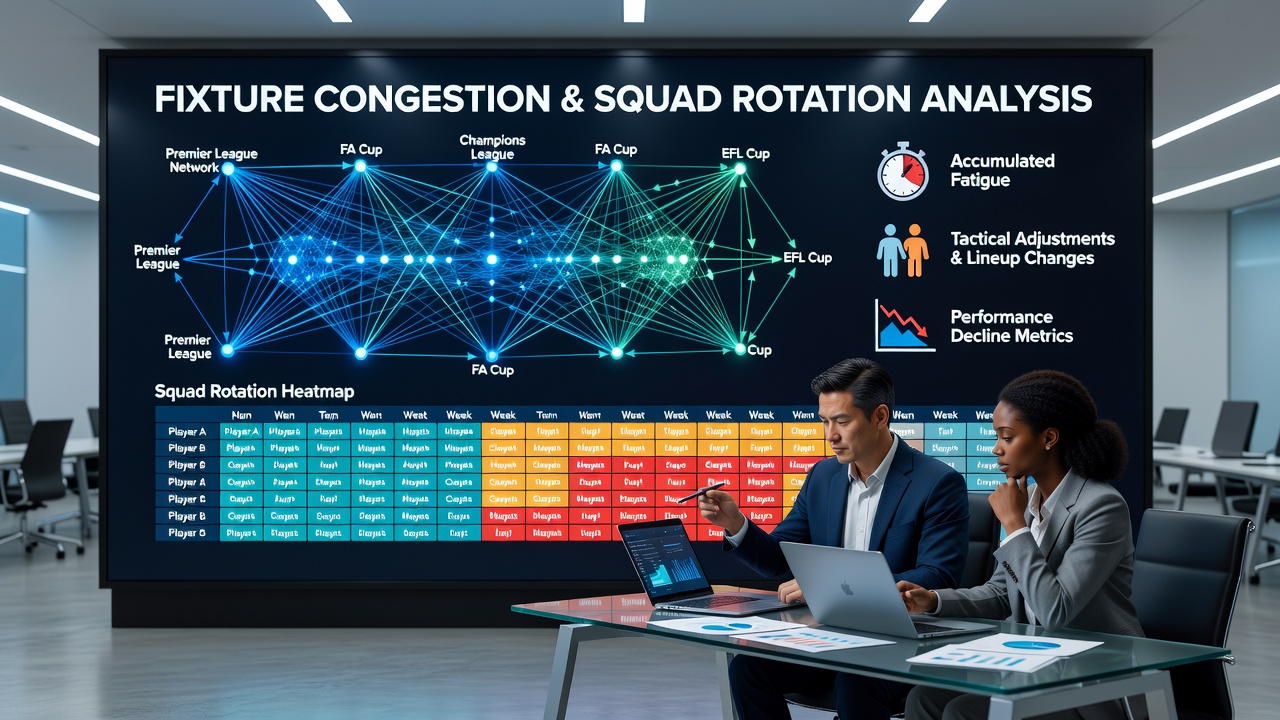
Modern football calendars pack multiple domestic leagues, cup ties, and European or continental tournaments into single campaigns, which forces clubs to confront fixture congestion on a recurring basis. Teams in the Premier League, La Liga, Serie A, Bundesliga, and Ligue 1 routinely balance 50-plus matches when they reach deep runs in the Champions League, Europa League, or domestic cups, and data from the 2025-2026 season shows several clubs exceeded 60 competitive fixtures by late May. Researchers tracking player workloads note that these schedules compress recovery windows, prompting managers to adjust rotation patterns to preserve squad depth and limit soft-tissue injuries.
Defining Fixture Congestion in Multi-Competition Contexts
Fixture congestion occurs when clubs face three or more matches within a 10- to 14-day window, a pattern that intensifies during winter months and spring knockout stages. UEFA's 2024 club competition review documented an average increase of 8.2 matches per season for teams advancing past the round of 16, while the English Football Association recorded similar spikes for sides progressing in both the FA Cup and League Cup. In June 2026, several clubs still navigated residual European commitments alongside pre-season tours, extending the prior campaign's demands into the summer calendar and leaving minimal downtime before the next cycle began.
Measured Impacts on Player Workload and Injury Incidence
Studies published in the British Journal of Sports Medicine examined 12 European clubs across two seasons and found that players logging more than 2,800 minutes faced a 32 percent rise in hamstring strain risk compared with those under 2,200 minutes. The same dataset revealed that midfielders and full-backs, positions requiring repeated high-intensity efforts, experienced the steepest workload spikes when their teams contested four competitions simultaneously. Rotation therefore serves as a direct countermeasure, allowing managers to distribute minutes across wider squads without sacrificing tactical continuity.
Observed Rotation Patterns Across Elite Clubs
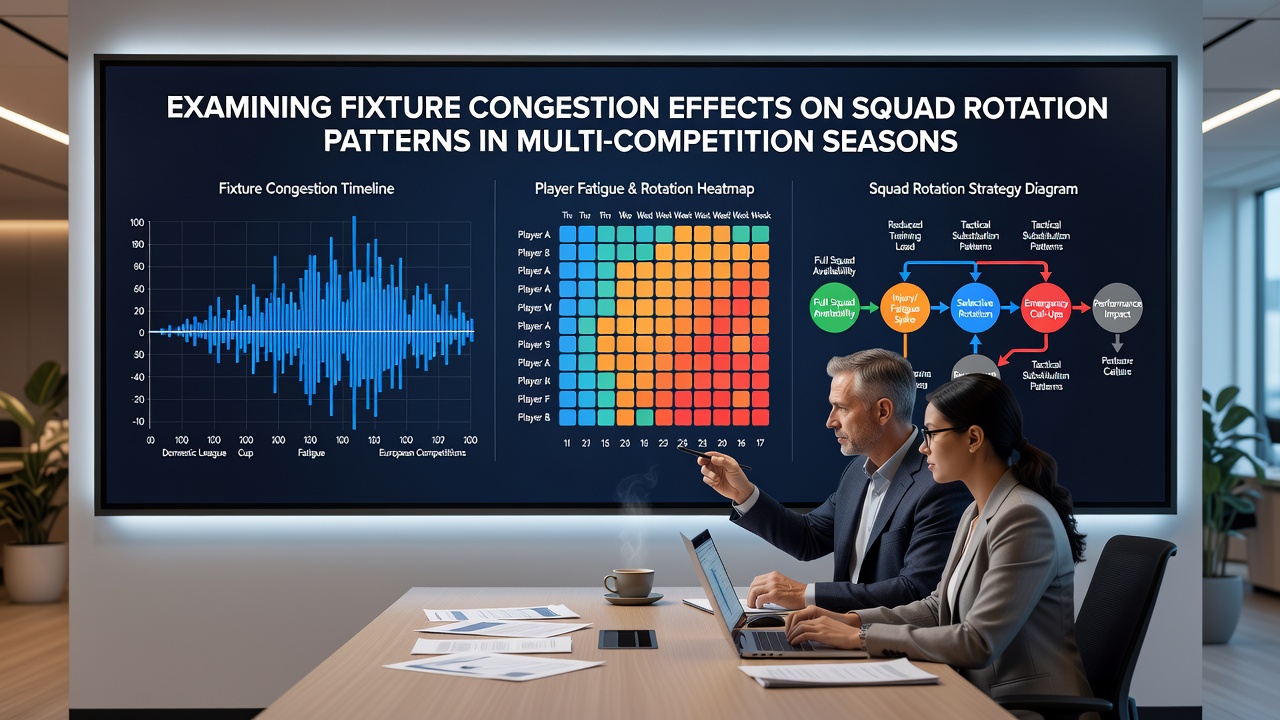
Coaches at clubs with deep benches, such as Manchester City and Real Madrid during the 2025-2026 campaign, employed systematic rotation cycles that alternated starters in domestic fixtures while preserving core lineups for European nights. Data from Opta showed City rotated an average of 4.7 players per match in periods of three games in eight days, compared with 2.1 rotations during lighter stretches. In contrast, teams with shallower squads rotated less frequently yet substituted earlier, a pattern that preserved freshness in the final 30 minutes but sometimes disrupted rhythm. Observers note that successful rotation hinges on maintaining at least two viable options per position, a threshold many mid-table sides struggle to meet when injuries accumulate.
Case Examples from the 2025-2026 Season
Bayern Munich reached the Champions League semi-finals while leading the Bundesliga, resulting in 58 matches by mid-May; their medical staff implemented a three-tier rotation system that rested key defenders after European travel legs. Liverpool, simultaneously chasing the Premier League title and an FA Cup run, averaged 3.9 changes per match during a February cluster of six fixtures in 18 days, according to club performance reports. Across the Atlantic, Brazilian side Flamengo balanced Copa Libertadores group stages with domestic obligations and recorded a 27 percent drop in high-speed running distance among players exceeding 2,500 minutes, prompting their technical department to adopt similar load-management protocols.
Role of Data Analytics and Recovery Protocols
Clubs now integrate GPS tracking, heart-rate variability, and subjective wellness questionnaires to guide rotation choices. A collaborative report by the German Football League and the University of Cologne highlighted that teams using threshold-based algorithms reduced non-contact injuries by 18 percent over two seasons. Recovery modalities such as cryotherapy, sleep monitoring, and individualized nutrition plans further support these decisions, allowing rotated players to regain peak readiness within 72 hours. Yet the effectiveness of these tools depends on accurate baseline data and consistent application across entire squads.
League-Wide Trends and Future Calendar Pressures
UEFA's Club Competitions Committee continues to evaluate expanded formats that could add further fixtures after 2026, while domestic leagues weigh calendar realignment proposals. Research from the Australian Institute of Sport, which examined analogous congestion in rugby and Australian rules football, suggests that proactive rotation policies yield the greatest protective effect when implemented before symptoms of fatigue appear. As global calendars evolve, clubs that maintain flexible squad structures and evidence-led rotation frameworks appear better positioned to sustain performance across multiple fronts.
Conclusion
Fixture congestion in multi-competition seasons directly influences how managers distribute playing time, with rotation emerging as the primary tool for managing workload and mitigating injury risk. Data from European and South American campaigns demonstrate measurable differences in rotation frequency between clubs with varying squad depths, while analytics platforms and recovery science provide increasingly precise guidance. As schedules remain dense through 2026 and beyond, the ability to rotate effectively continues to separate teams that maintain consistency from those that experience performance dips during critical phases.