Fixture Congestion Effects on Team Performance: Optimizing Accumulators with Recovery Data
Written by Ulrich Peters · Aug 11, 2026
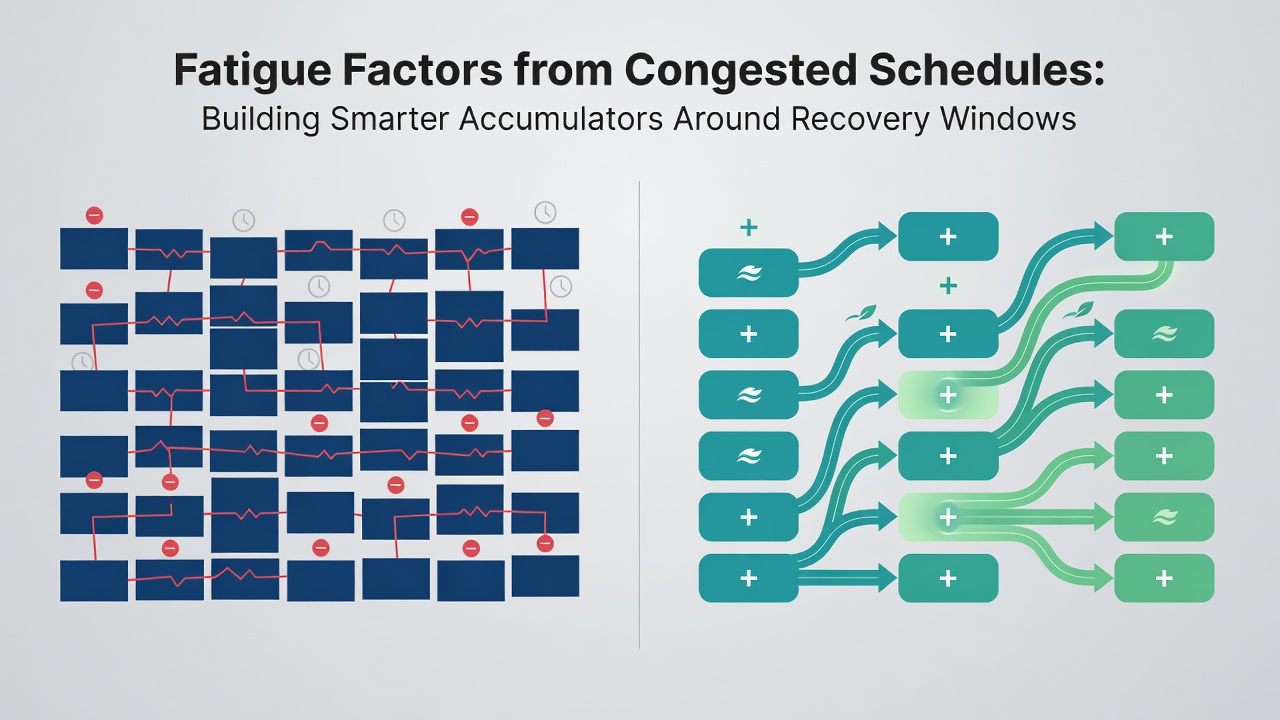
Fixture Congestion Effects on Team Performance: Optimizing Accumulators with Recovery Data
Football calendars pack multiple competitions into tight windows, and data from various leagues shows measurable drops in sprint distance, pass accuracy, and defensive organization when teams play three matches in eight days or fewer. Researchers tracking elite clubs across Europe have documented these patterns through GPS and video analysis, revealing that recovery windows under 72 hours correlate with higher rates of soft-tissue injuries and reduced high-intensity efforts in subsequent fixtures.
How Congested Periods Develop in Modern Schedules
Domestic leagues, continental tournaments, and national team breaks create overlapping demands, especially during winter months and after international windows; August 2026 marks the opening of the new European season where clubs returning from summer tours face early qualifiers and league openers within days of each other. Studies compiled by the German Football League's performance unit indicate that teams averaging fewer than four rest days between matches record a 17 percent increase in non-contact injuries compared with those granted five or more recovery days. Observers note that fixture lists released by governing bodies often leave little flexibility once television broadcasters lock broadcast slots, forcing clubs to rotate squads aggressively or risk performance dips.
Performance Metrics Linked to Recovery Windows
Analysts examining Premier League and Bundesliga data find that teams with 48-72 hours between matches show declines in expected goals created and conceded, while those with four full days or more maintain baseline outputs. One long-term project led by sports scientists at the University of Barcelona tracked over 200 players across two seasons and reported that hamstring strain incidence rises sharply when the interval drops below 96 hours, particularly among players logging more than 300 minutes in a 14-day span. These figures allow bettors to adjust accumulator selections by weighting matches where one side enters with superior rest or fewer midweek commitments.
Integrating Recovery Data into Accumulator Construction
Successful accumulator builders examine each leg through the lens of available recovery time rather than recent form alone; they cross-reference fixture lists against published team news and travel distances that further erode rest. Data from the Australian Institute of Sport shows that long-haul flights compound fatigue even when calendar gaps appear adequate, prompting sharper scrutiny of away legs following continental ties. Bettors therefore construct lines that favor sides with extended preparation periods, avoiding overs on totals when both teams arrive fatigued or unders when one squad benefits from a week-long break. This approach narrows variance across multi-leg bets by aligning selections with documented physiological recovery curves.
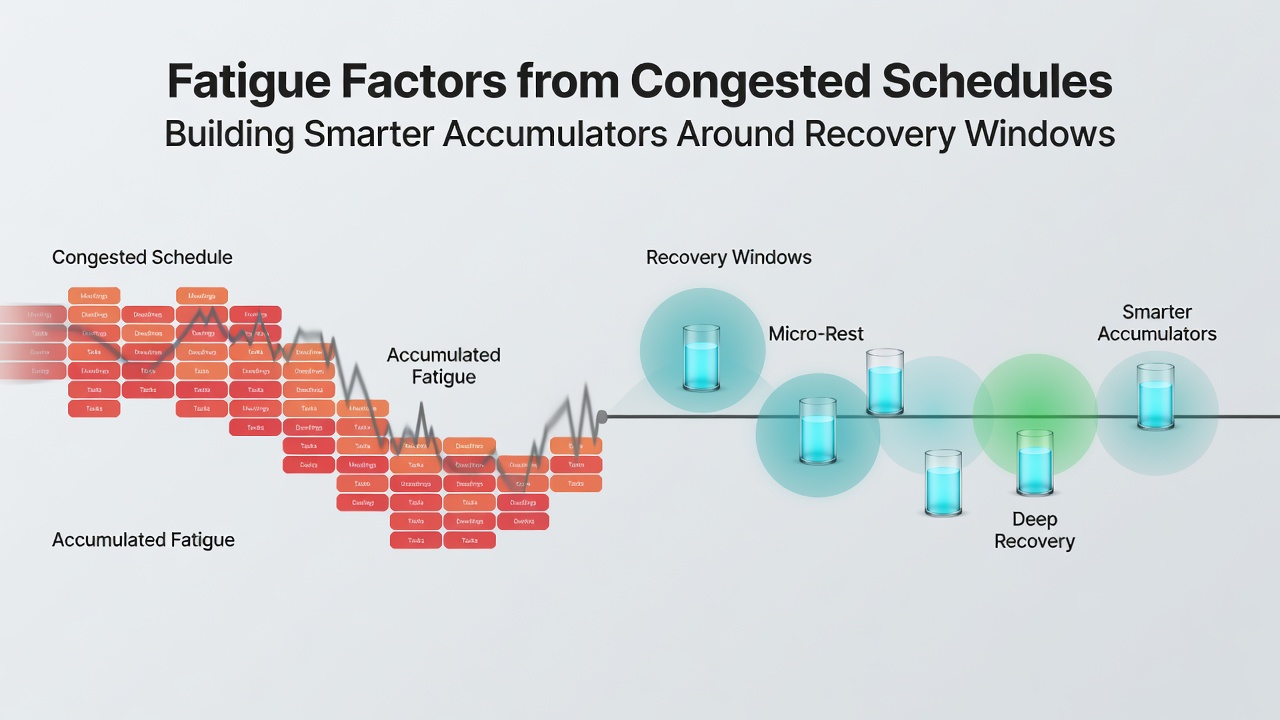
Case Examples from Recent Seasons
During the 2025-2026 campaign, several clubs that contested midweek European matches and then traveled for league fixtures exhibited measurable drops in shots on target and set-piece conversion; those same sides often posted improved metrics once granted an extra rest day before the next outing. Performance analysts at La Liga's medical commission have published similar observations, noting that teams rotating fewer than two outfield players across congested blocks maintain higher possession retention rates when subsequent recovery windows exceed 96 hours. Accumulator builders who incorporated these patterns avoided legs featuring double midweek commitments and instead targeted matches where one participant enjoyed a longer preparation window, producing steadier returns across multi-match selections.
Tools and Sources for Monitoring Recovery Indicators
Publicly available resources include squad rotation reports issued by clubs, GPS-derived workload summaries shared by performance analysts, and injury surveillance summaries released by leagues outside the UK framework. Bettors cross-check these against official fixture calendars to identify clusters of games with insufficient recovery, then adjust stake distribution accordingly. A 2024 report from the Canadian Soccer Association's research division further highlighted that youth-to-senior transition players experience amplified fatigue effects during such periods, offering additional context when academies promote young talents into first-team lineups mid-season.
Conclusion
Fixture congestion produces predictable shifts in team output that data-driven accumulator strategies can account for by prioritizing recovery windows adn workload indicators. Clubs and analysts continue to publish metrics that quantify these effects, giving bettors objective inputs for refining selections across multiple legs rather than relying solely on form guides or head-to-head records. As schedules remain dense through 2026 and beyond, recovery-focused analysis provides a consistent framework for constructing accumulators that align with observed physiological patterns.