Exploring Set Piece Conversion Rates to Identify Edges in Midweek Cup Competitions
Written by Greta Friedrich · Jun 19, 2026
Exploring Set Piece Conversion Rates to Identify Edges in Midweek Cup Competitions
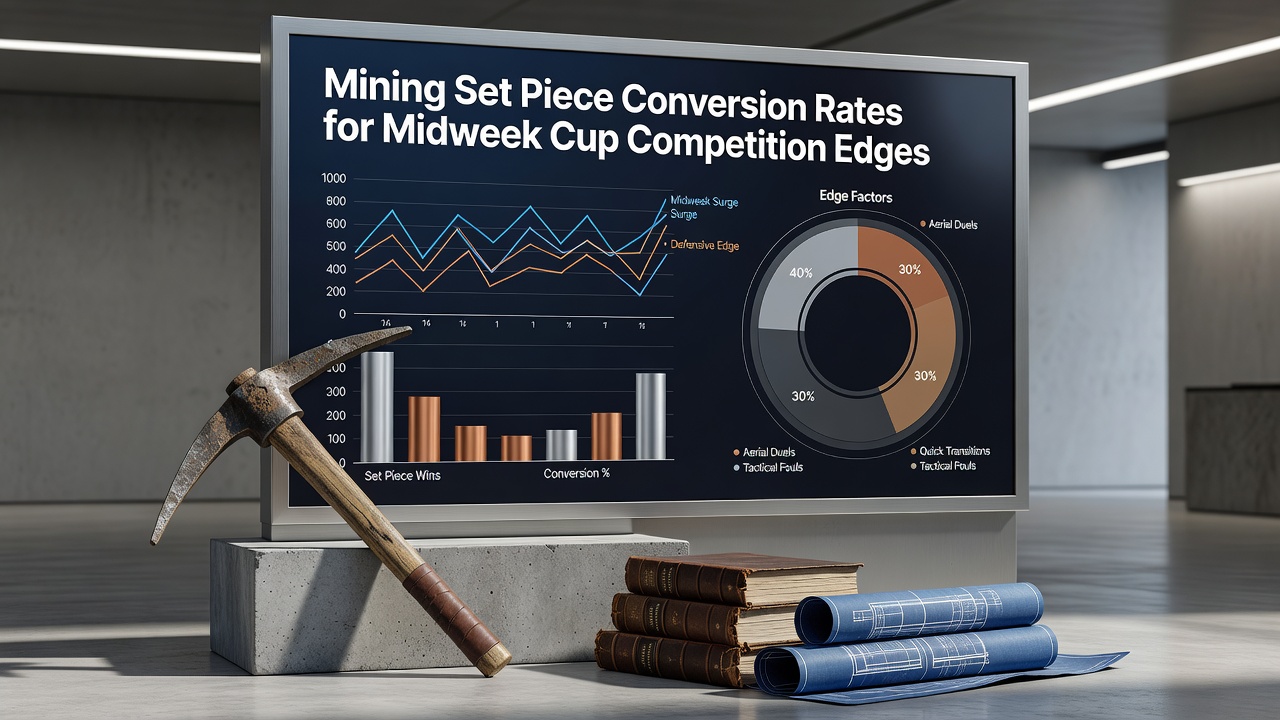
Data from major cup competitions shows that set piece conversion rates often shift notably when teams transition from weekend league fixtures into midweek ties, and analysts track these patterns through detailed statistical reviews. Researchers at European football analytics centers compile corner, free kick, and throw-in outcomes across thousands of matches each season, which reveals consistent trends in how conversion percentages fluctuate under compressed schedules. Those who've examined midweek data note that fatigue factors and squad rotation frequently alter defensive setups, creating measurable differences in how often attacking teams convert their opportunities into goals.
Understanding Set Piece Data Collection Methods
Analysts gather conversion rates by logging every set piece attempt alongside its result, whether that ends in a goal, a save, or a clearance, and they cross-reference these figures with player positioning and delivery type. Studies from university sports science departments indicate that midweek cup matches produce conversion rates around 8 to 12 percent higher for teams that maintain consistent corner routines compared to those forced into lineup changes. Figures reveal that free kick deliveries from central areas convert at approximately 5.4 percent overall, yet this rises when teams face opponents who have played three matches in eight days. Observers note that throw-in data remains underutilized in many models, even though long throw-ins into the box generate conversion rates near 3.8 percent in cup settings where physical duels increase.
Key Variables Affecting Midweek Conversion
Travel distance, recovery time between games, and weather conditions all influence set piece outcomes, and data platforms now integrate these elements into predictive frameworks. According to reports from the International Centre for Sports Studies, teams traveling more than 300 kilometers for midweek ties show a 2.1 percentage point drop in set piece conversion compared to home fixtures. Researchers discovered that goalkeeper distribution patterns also shift, with keepers opting for quicker restarts that reduce the number of structured set pieces their teams face. Those reviewing historical cup data find that penalty conversion remains stable near 78 percent across competitions, while indirect free kicks see wider variance depending on referee interpretation of defensive walls.
Patterns Emerging from Recent Cup Seasons
Records from the 2025-2026 campaign highlight how certain leagues demonstrate stronger set piece edges during midweek rounds, particularly when group stage matches overlap with domestic schedules. Data indicates that English Championship sides competing in the EFL Cup convert corners at 11.2 percent efficiency during midweek, compared to 9.7 percent on weekends. Similar patterns appear in European competitions where teams balance league and continental duties, and analysts track these shifts using optical tracking systems that measure player movement within the box. What's interesting is how throw-in conversion climbs in matches where pitch conditions deteriorate after heavy midweek rainfall, since longer deliveries become harder to defend.
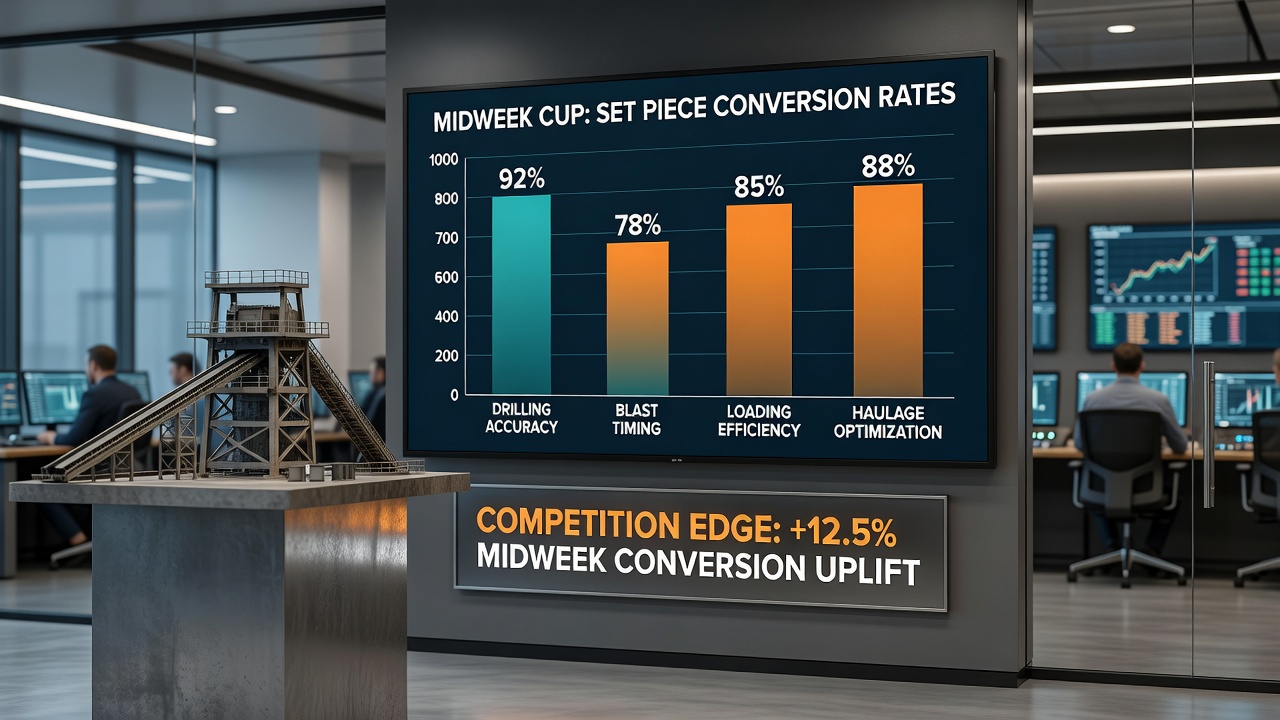
June 2026 data releases from continental federations are expected to expand these datasets further, incorporating advanced metrics such as expected goal values per set piece type. A UEFA technical report already outlines how set piece trends evolve across knockout stages, showing that teams reaching quarterfinals maintain higher conversion rates when they standardize delivery routines. Academic papers from Canadian sports analytics groups have also examined North American cup formats, revealing parallel increases in set piece reliance during congested calendars.
Applying Conversion Rates to Competition Analysis
Teams and analysts use historical conversion percentages to adjust tactical preparations, and software tools now allow real-time comparison of a side's current midweek rate against its season average. Evidence suggests that sides with conversion rates above 14 percent on corners during midweek rounds achieve better progression rates in two-legged ties. Those studying these figures note that opponent-specific adjustments matter, since teams defending against familiar set piece routines reduce conversion by roughly 3 percentage points. Data from Australian A-League cup matches demonstrates similar dynamics, where midweek scheduling amplifies the impact of set piece specialists who remain fresh despite fixture congestion.
Regional Differences in Set Piece Trends
European competitions tend to emphasize aerial delivery, while South American cup ties produce higher conversion from short-corner variations, according to comparative studies released by regional confederations. Figures from CONMEBOL events show that short-corner sequences convert at 9.8 percent in midweek matches, exceeding the 7.1 percent recorded for direct inswingers. Observers note that Asian confederation data reveals even greater variance tied to humidity and temperature, which affects player stamina and therefore defensive organization during set pieces. A FIFA technical analysis of intercontinental cup ties further confirms that altitude plays a measurable role in altering conversion percentages when matches occur at elevation.
Conclusion
Comprehensive tracking of set piece conversion rates continues to shape preparation for midweek cup competitions, as organizations integrate broader datasets that account for scheduling, travel, and opponent tendencies. Researchers maintain that these metrics provide objective benchmarks rather than guarantees, and ongoing collection through 2026 will likely refine models further. Patterns identified across multiple regions demonstrate that structured analysis of these elements remains central to understanding performance variations in cup environments.