Evoke Shuts 270 Betting Shops in UK Amid Tax Squeeze and Swelling Losses
Written by Greta Friedrich · May 8, 2026

Evoke Shuts 270 Betting Shops in UK Amid Tax Squeeze and Swelling Losses
The Closure Announcement Hits Hard
Evoke, the company behind well-known brands like William Hill and 888, has confirmed plans to close around 270 betting shops across the UK, a move that spells hundreds of job losses while serving as a direct response to escalating cost pressures from recent tax hikes. Announced in the wake of Chancellor Rachel Reeves' 2025 autumn budget, these closures form part of broader cost-cutting efforts, as the firm grapples with regulatory changes reshaping the gambling landscape. Observers note how such decisions, though tough, reflect the harsh realities firms face when tax burdens climb sharply, forcing operators to rethink their high-street footprints in favor of online operations that now dominate punter preferences.
But here's the thing: this isn't just about trimming fat; it's a survival tactic amid fiscal headwinds that have already hammered the company's bottom line, with pre-tax losses ballooning more than double from the previous year. Data from Evoke's latest financials reveals those losses surged to £549.1 million in 2025, up from £220.9 million in 2024, driven largely by a massive £440.3 million impairment charge tied straight to the anticipated tax shifts. And while the shops shutter, the digital side of the business picks up some slack, although even that's under threat from duties targeting remote gaming and online sports bets.
Financial Losses Mount Under Tax Pressure
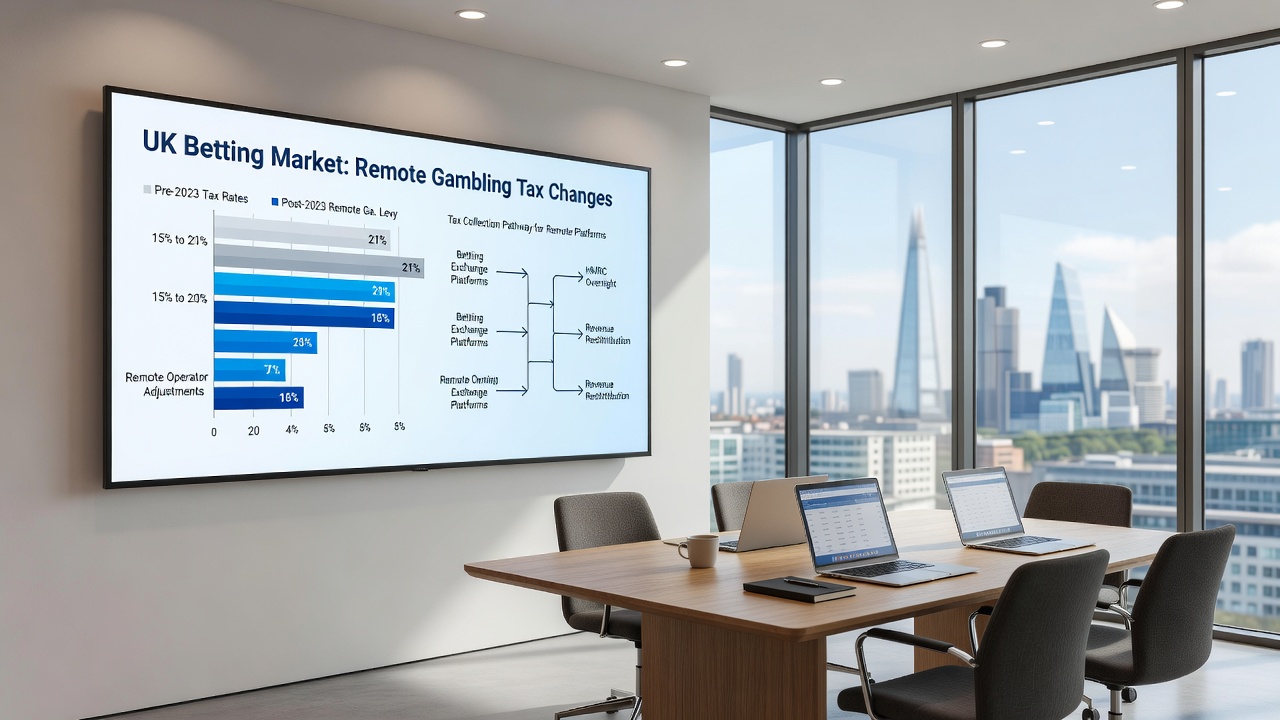
Figures paint a stark picture of the strain: that £440.3 million impairment charge stands out as the primary culprit behind the doubled losses, a non-cash hit that nonetheless signals deep trouble ahead for profitability. Evoke's leadership has pointed to the budget's tax announcements as the trigger, with remote gaming duty set to jump to 40% starting April 2026, while a brand-new 25% duty on online sports betting kicks in from 2027. Together, these measures could drain up to £135 million annually from the firm's coffers, according to internal projections released alongside the closure news.
What's interesting is how quickly the market reacted; shares in Evoke dipped in the days following the budget reveal, as investors weighed the combo of physical shop vulnerabilities and the online pivot's own fiscal pitfalls. Those who've tracked the sector for years know high streets have been shrinking for betting operators anyway, thanks to mobile apps and websites drawing crowds away from traditional counters, but now taxes accelerate that exodus dramatically. European Gaming and Betting Association data underscores similar pressures across the continent, where operators adapt to rising levies by consolidating operations.
And as May 2026 rolls around, with the first tax hike just weeks away from April's implementation, the timing feels particularly acute; firms like Evoke must execute these cuts swiftly to stem bleeding before the duties fully bite.
Breaking Down the Tax Changes at Play
The budget's gambling tweaks hit remote gaming duty hardest, hiking it to 40% from April 2026, a level that experts say will squeeze margins on casino-style online play where punters chase slots and virtual tables. Layer on the 2027 online sports betting duty at 25%, and operators face a double whammy targeting their fastest-growing revenue streams, since mobile wagering now accounts for the lion's share of bets placed. According to American Gaming Association trackers, similar duty structures in other markets have prompted U.S. firms to lobby hard and shift strategies, mirroring what UK players now confront.
Turns out, these aren't isolated UK moves; they echo global trends where governments tap gambling booms for revenue, although the scale here feels especially aggressive given the World Cup buzz building toward 2026. People often find that such hikes, while filling treasury coffers, ripple through to higher costs passed onto customers or, as in this case, outright shop closures that reshape local economies.
One case that stands out involves past tax adjustments in Australia, where state liquor and gaming regulators documented shop consolidations after duty rises, a pattern researchers have observed repeating whenever levies cross certain thresholds; Evoke's situation slots right into that mold, with 270 sites on the chopping block out of a network that's already thinned over years.
Hundreds of Jobs Lost in the Shuffle
Closures of this magnitude don't happen quietly; hundreds of positions vanish as counters lock up for good, hitting staff who've manned these shops through thick and thin. Evoke hasn't specified exact numbers yet, but industry watchers peg the toll conservatively at several hundred roles, from cashiers to managers, in communities where betting outlets often anchor high streets. That's where the rubber meets the road for local economies already strained by retail declines, although the firm emphasizes retraining opportunities for some affected workers toward digital support roles.
Yet the shift underscores a broader pivot: online platforms like 888 thrive without brick-and-mortar overheads, handling bets via apps that punters tap from sofas or stadiums, so while jobs go, the business model evolves to chase efficiency. Observers who've studied these transitions point out how previous rounds of closures, say back in 2020 amid pandemic lockdowns, led to similar workforce reskilling, although today's tax catalyst adds urgency and scale.
Takeover Talks Add Another Layer
Amid the turmoil, Evoke finds itself in ongoing discussions for a takeover by Greek firm Bally’s Intralot, valued at £225.3 million, a potential lifeline that could inject fresh capital or strategic shifts. Bally’s, with its foothold in interactive gaming, eyes Evoke's UK brands as a gateway to established customer bases, although deal talks proceed cautiously against the backdrop of tax woes and impairments. The writing's on the wall for suitors in these scenarios: snapping up assets cheap during distress often pays off, provided regulatory nods come through smoothly.
It's noteworthy that such mergers spike during fiscal squeezes; one study from gaming researchers tracked how tax hikes in EU markets spurred consolidation waves, much like what's unfolding here now in May 2026, with Bally’s positioning itself as a consolidator eyeing William Hill's legacy.
Conclusion: A Pivotal Moment for UK Betting
Evoke's decision to axe 270 shops, swallow doubled losses at £549.1 million, and navigate £135 million in looming annual tax hits marks a turning point, one where physical betting fades further into digital realms while takeovers loom large. As April 2026's duty rise nears its full effect, the firm—and the sector—braces for adaptation, balancing cost cuts with growth in online spaces that taxes now target directly. Those tracking the beat know these moves set precedents, influencing how operators worldwide handle similar fiscal curves ahead, with job shifts and high-street voids as the immediate fallout from budget decisions that reshaped the game.